
Winter Window Tinting: Why It Still Matters

INTRO: Why We’re Talking About Winter Tint
Most people think about window tint the moment the weather warms up. Sun’s out, cabin feels like an oven, and you start looking for ways to cool things down.
But winter has its own set of problems—low sun glare, early darkness, and UV exposure you don’t feel but your skin and interior still deal with. The truth is, window tinting can make winter driving more comfortable and help your vehicle feel more protected year-round.
WINTER PROBLEMS TINT HELPS WITH: Glare, UV, and Privacy
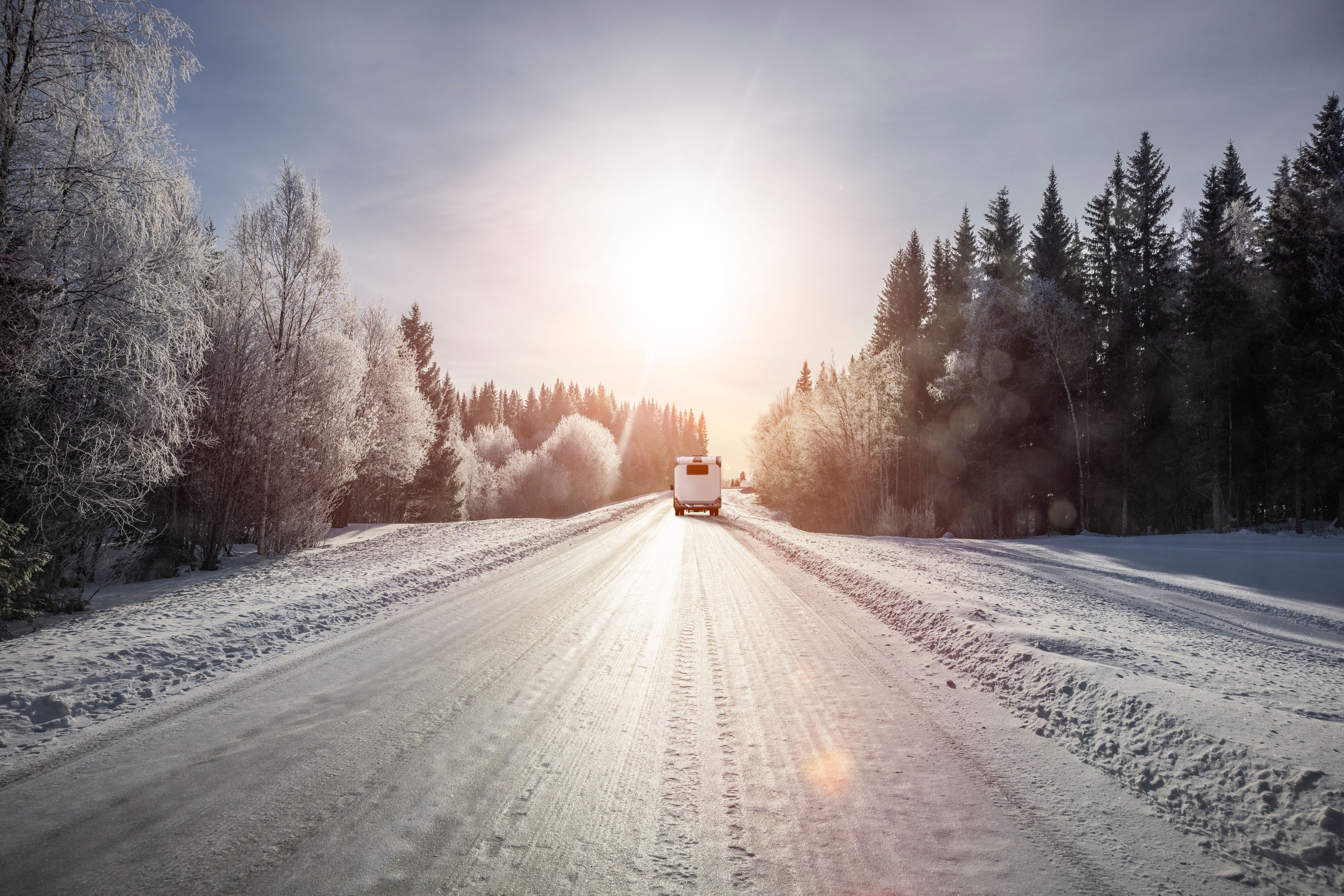
Winter isn’t just cold—it changes visibility. The sun sits lower, so that light hits your windshield and side windows at the worst angles. “Glare” is that harsh brightness that washes out your view and makes your eyes work overtime. Quality window film can help soften that brightness so driving feels calmer and less distracting.
And UV still matters in winter too. UV stands for ultraviolet light—sunlight you can’t see. Why it matters is simple: it can affect your skin over time, and it can also wear down interior materials, causing fading and drying.
Plus, with it getting dark earlier, tint gives you more privacy. It helps keep the inside of your vehicle less visible from the outside, which is huge when you’ve got bags, tools, or packages in the vehicle.
YES, YOU CAN TINT IN WINTER: Here’s What’s Different
Winter tinting is absolutely doable. The main difference is curing time. “Curing” is the process of the film drying and settling after installation, and colder weather can slow that down. So right after install, you might notice a slight haze or small moisture pockets under the film—that’s usually normal during the curing stage.
The big thing is: don’t press on it, don’t pick at edges, and just let it do its thing while it settles.
CHOOSING A SHADE: VLT Explained Simply
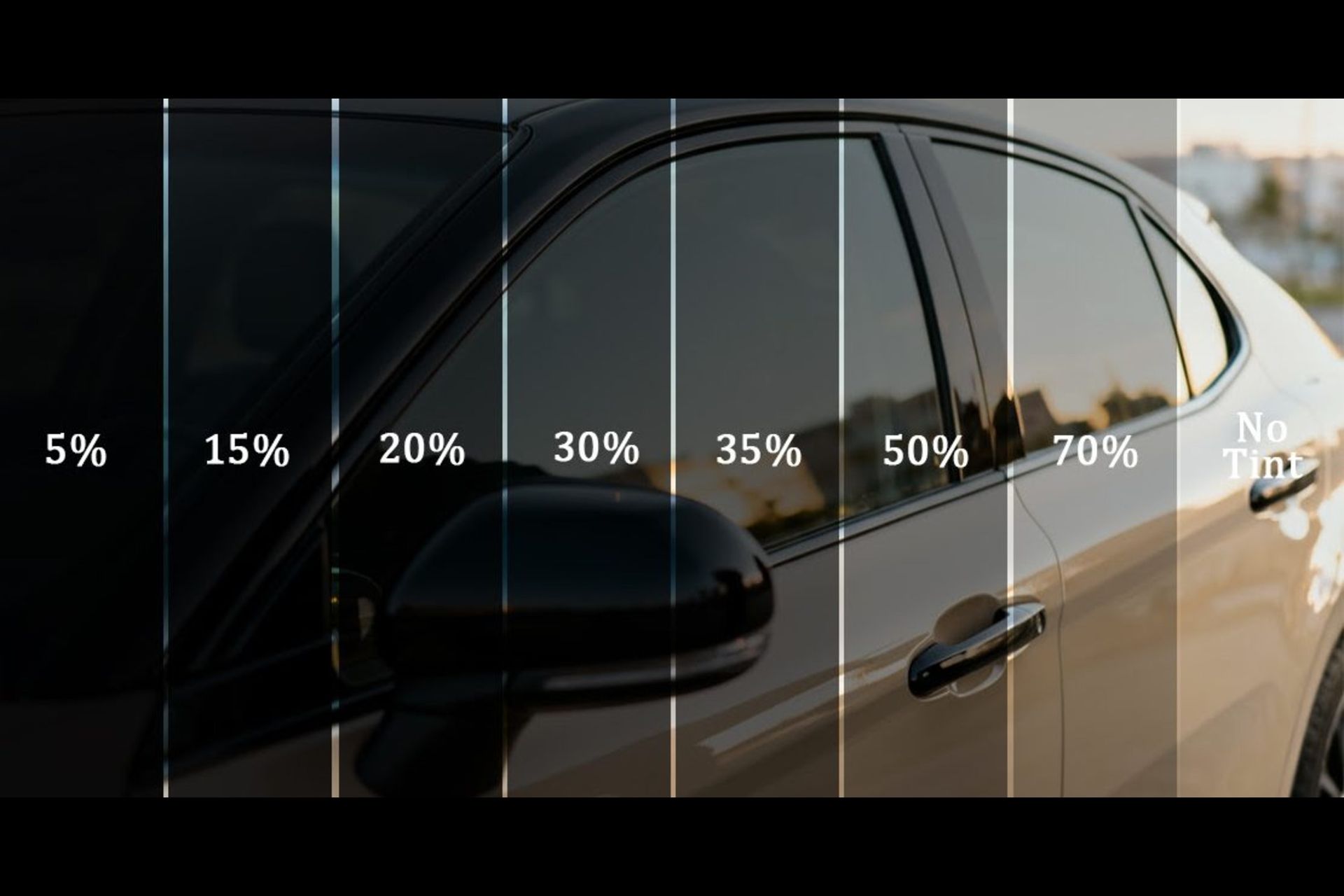
Tint percentage is often called VLT, which stands for Visible Light Transmission. That’s how much visible light still passes through the glass. Lower VLT means darker tint, higher VLT means lighter tint. Why it matters is it affects privacy and night visibility—so we help you choose something that looks good and still feels comfortable for how you drive.
WHY YBNT KUSTOMZ: What We Do Differently
At YBNT Kustomz, we don’t just install film and send you out. We explain what you’re getting in plain English, set expectations for what you’ll see after install, and make sure your tint choice actually matches your day-to-day driving—not just what looks good on the internet.
If you’re comparing Geoshield options like C2 Carbon, Carbon Plus, or Apex Ultra, we’ll walk you through the difference without the confusing jargon—just what matters for comfort, privacy, and protection.
Conclusion
Winter tinting isn’t just a summer upgrade—it’s a year-round comfort and protection move. If low sun glare is wearing you out, or you want privacy and interior protection through every season, winter is a great time to get it done.
If you want a quote for your vehicle, start here: https://app.urable.com/form/pzhBAt5yElSRtbSWpe1t/PpfeLju4HRw4KrrRidhR